logo
> 상품 > Metallurgy Processing Line >
Vermiculite Processing Plant

Vermiculite Processing Plant

Vermiculite Processing Plant

원래 장소:

중국

브랜드 이름:

hengyang

인증:

ISO9001

모델 번호:

화로

저희와 연락
인용 을 요청 하십시오
제품 세부 정보
OEM:
수용하다
전압:
구매자까지
용량:
0.5-50t/h
기능:
팽창 질석
지불 및 배송 조건
최소 주문 수량
1
가격
35000-95700USD/set
포장 세부 사항
부정
배달 시간
25-40 일
지불 조건
티/티
공급 능력
30 세트/월
관련 상품

Vermiculite Processing Plant

가장 좋은 가격 을 구하라

Vermiculite Production Lines

가장 좋은 가격 을 구하라
저희와 연락
지금 연락하세요
제품 설명

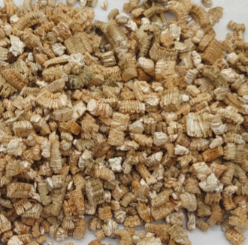
Vermiculite is a naturally occurring mineral that takes the form of glossy flakes, varying in color from dark gray to sandy brown. These flakes, which are more specifically a hydrated magnesium iron aluminum silicate mineral, get heated up in a purpose-built a commercial furnace, where they then expand and take on a concertina shape, almost like a tiny accordion.
It is this version of vermiculite that is used in horticulture most commonly as a means of improving soil quality or giving seedlings a helping hand to root more quickly.
Vermiculite in its natural form looks a lot like mica, with a layered rock appearance. It is mined in various regions throughout the world.
Open cast mines look like giant craters in the ground, where the miners work to separate ore from vermiculite and other minerals, then sort them into different categories based on size. Following its extraction from the earth, the vermiculite is heated in industrial furnaces, where it will change in structure. This process is called ‘exfoliation.’ Exfoliated vermiculite transforms into small strands that look like worms, and this is how vermiculite got its name, from the Latin word ‘vernacular,’ which translates roughly to ‘to breed worms.’
Once the exfoliation is complete, the finished product will vary in looks, depending on its size. There are four sizes of vermiculite available, with the largest size having an obvious concertina shape. The smallest sizes to the human eye just look like large grains of sand.

Vermiculite can be added to poor quality soil to improve it. If you have heavy, clay, poor-draining, or sandy soil in your garden, then most plants are going to struggle to survive, let alone thrive in this environment. You will often hear the phrase ‘improve your soil before planting,’ but how do you actually do this in practice? Vermiculite is your answer. Use around half the volume of the soil in vermiculite, and work it deep into the soil. The vermiculite will drastically improve the soil’s aeration, allowing plants to grow much better. It will also retain the necessary moisture and nutrients to help feed the plant.Vermiculite Processing Plant 0

Animal Feedstuffs
Vermiculite is free flowing, soft, sterile and absorbent. This means it has found a role as a support and carrying medium for a range of nutrients such as fat concentrates, vitamin preparations and molasses. The use of vermiculite gives a high volume yield and accommodates a high liquid intake whilst retaining good handling characteristics, so simplifying the process of mixing with other materials.
Bitumen Coated Vermiculite Screeds
Vermiculite, coated with a bituminous binder, can be used as a dry, lightweight roof screed. This type of screed has the advantages of low thermal conductivity, low moisture content and ease of placement.
Chemically Processed Vermiculite
Chemical treatments can cause the layered structure of vermiculite to expand or delaminate, producing very high aspect ratio particles. Such dispersions play an important role in the coating of both organic and inorganic fibre products. This treatment substantially increases the thermal stability of fibres. A whole new family of vermiculite products can be generated by varying the chemical process. It is possible to produce flexible films, papers and coatings, and to make specialised additives for various industries.
Developments in this area of research have indicated that it may be feasible to manufacture complex silicate structures which, when polymerised, would form inorganic analogues of organic polymer systems with unique properties of flexibility and fire resistance.
Fire Protection
Vermiculite is recognised as a material particularly suited for fire protection. Vermiculite-based products range from factory made boards and panels to premixed coatings suitable for application by mechanical spray or by hand plastering techniques on a range of structures. These coatings have been used in the petrochemical industry and tunnel construction.
Friction Linings
Vermiculite is now used extensively in the friction lining industry (eg. brake and clutch linings) as a safe alternative to asbestos, and plays an important role in this field.
Horticulture
Vermiculite is well established as a growing medium. It is most commonly used in compost formulations, usually in combination with peat or coir. Vermiculite/peat or coir compost formulations provide ideal conditions for plant growth. The presence of vermiculite particles in the compost aids aeration, improves moisture retention and promotes the steady release of added fertilisers, whilst the vermiculite itself contributes potassium, magnesium and a number of minor elements.
The air/water ratios for vermiculite/peat or coir composts are ideal for the stimulation of root growth, and hence the production of healthy young plants. The vermiculite is sterile when processed. If stored correctly it will need no further treatment before incorporation into composts. Vermiculite can also be used as a carrier and extender for fertilisers, pesticides and herbicides. It is also used in a ground form for encapsulating seeds. Exfoliated vermiculite can also be used as a packing material for storing fruit, bulbs and tubers.
Insulation In Steelworks And Foundries
Good thermal insulation, low density and its natural refractory properties combine with ease of application to make vermiculite a highly suitable material for use in steelworks and foundries.
It is used for hot topping molten steel to reduce heat loss from ingots and ladles and generally as a loose-fill insulator.
Lightweight Concretes
Loosefill vermiculite can be used between joists in lofts for home insulation. The free flowing properties of exfoliated vermiculite make installation very simple. The insulating properties of vermiculite significantly reduce the loss of heat in cold weather and keep the interior cool in hot weather. It also functions as a sound absorbent material.
Other novel insulation uses include incubation of reptile eggs.
Packing Materials
Exfoliated vermiculite is a useful packaging medium. Not only is it lightweight, clean and easily poured around irregular shaped objects, it also provides a good baffle against shocks caused by impact and improper handling. Being highly absorbent, it safely retains leaks from packed materials such as hazardous chemicals. As it is inorganic it does not present any potential fire hazards making it suitable for use in air freight.
Exfoliated vermiculite can also be used as a packing material for storing fruit, bulbs and tubers. Vermiculite degrades naturally, so is easily disposed of. Being soft and non-abrasive it has also been used effectively for insulation and cushioning the base of plastic-lined swimming pools.
Processed Vermiculite
Vermiculite may be milled before or after exfoilation according to the range of particle sizes required. Such milled or ground material may be used for the production of anti-drumming coatings, condensation control paints, high performance gaskets and seals and for upgrading the fire resistance of organic foams and other polymer based systems. Exfoliated vermiculite can be coloured to suit its end use (eg. retail display).
Refractory Products
Vermiculite for refractory and high temperature insulation is normally bonded with alumina cements, fire clays and silicates to produce a wide range of vermiculite products which, depending on type and application can withstand hot face temperatures of up to 1100°C.

문의사항을 직접 저희에게 보내세요

개인정보 보호 정책 중국 좋은 품질 Micron Powder Grinding Machine 공급자. 저작권 2021-2026 wasteprocessingplant.com . 무단 복제 금지.